
Gum Disease, Caught Early
Periodontal Diagnosis and Treatment
SMILE BRILLIANTLY, Live Beautifully.
The Foundation Under Every Smile
Gum disease can be easy to miss at first. A little bleeding when you brush.
Gums that feel tender. Breath that does not feel as fresh as it should.
By the time teeth feel loose or bone loss appears on an x-ray, the problem has already moved past simple prevention.
Periodontal treatment is how we protect the foundation under your smile. Gingivitis, the earliest stage of gum disease, can be reversed with the right cleanings and home care.
Periodontitis requires deeper therapy, including scaling and root planing to remove bacteria from below the gumline and help stop the disease from progressing.
Research also links periodontal disease to cardiovascular disease and diabetes control, so gum health matters beyond your mouth.
At Dentistry at East Piedmont, every routine cleaning includes a gum health check. We measure pocket depths, look for inflammation, and flag early signs before they become serious.
The goal is keeping treatment conservative and preserving every tooth that can be saved.

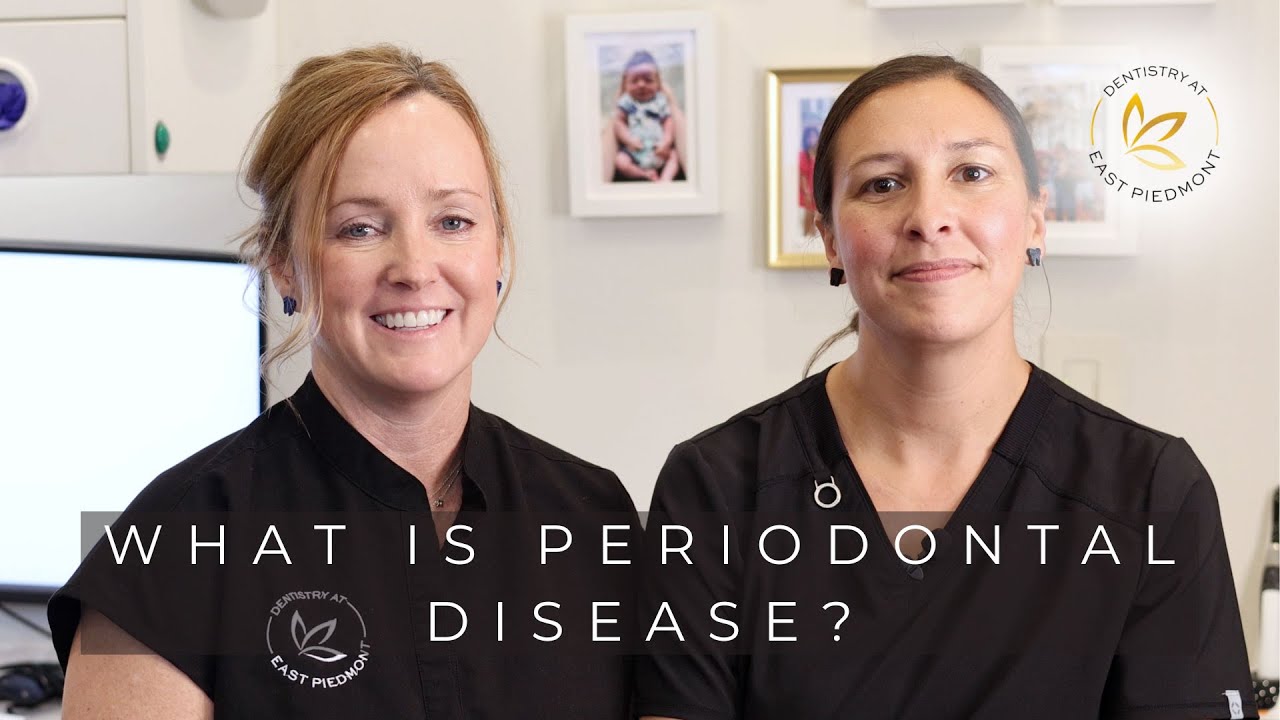

Why Choose Dentistry at East Piedmont for Your Periodontal Treatment

Dr. Ashish Patel
Catching gum disease early (at gingivitis or early periodontitis) keeps treatment conservative and prevents the tooth loss that advanced gum disease causes.
FOUNDED 2001 · 3 DOCTORS · REAL PATIENT SMILES ONLY
Periodontal disease moves slowly, often without obvious symptoms, until it has caused damage that is harder to reverse. Dr. Ashish Patel and our hygienists are trained to catch the earliest signs and treat them while the plan can still be conservative.
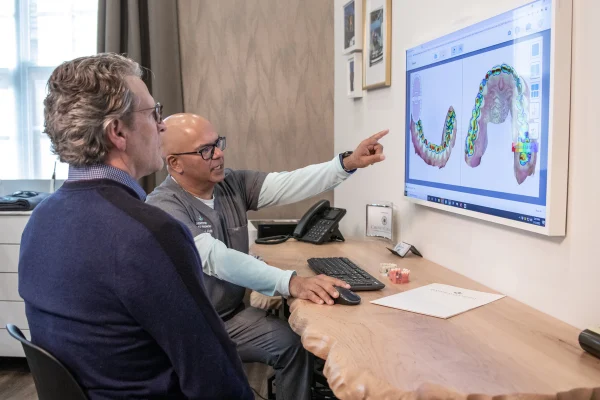
We use diagnostic tools that go beyond a basic visual check. Pocket depth measurements, gum recession tracking, x-rays for bone levels, and visual indicators help us understand where inflammation is starting and how far it has progressed.
The first goal is prevention. The second is stopping active disease before it threatens the teeth you want to keep.
Your treatments happen in our private treatment rooms with the comforts that have made Dentistry at East Piedmont known as Marietta's upscale dental spa.
The Experience Around Gum Therapy
Periodontal Charting
We measure pocket depths, bleeding, recession, and bone changes so treatment is based on a clear gum-health baseline.
Scaling and Root Planing
Deep cleaning removes bacteria and buildup below the gumline where routine cleanings cannot reach.
Comfort During Treatment
Local anesthesia and a calm private room help deeper gum therapy feel manageable instead of intimidating.
Maintenance Rhythm
After active therapy, we set the hygiene interval that helps keep gum disease from returning.
Why Patients Choose Periodontal Treatment
Early Diagnosis
Every routine cleaning includes pocket-depth measurement, bleeding-point tracking, and gum recession assessment. The earlier we see the pattern, the more conservative the treatment can be.

Conservative Treatment
Early gum disease often responds to scaling and root planing, a deep cleaning that removes bacteria below the gumline. We recommend the least invasive treatment that fits the disease level.

Saves Teeth Long-Term
Gum disease is the leading cause of adult tooth loss. Catching it early helps protect your natural teeth and lowers the chance of needing implants or dentures later.

Coordinated With Overall Health
Gum disease is linked to heart disease, diabetes, and other systemic conditions. When your medical history makes coordination important, we keep the bigger health picture in view.
What to Expect, Step by Step
Periodontal Evaluation
We measure pocket depths around each tooth, check for bleeding and recession, and review your x-rays for bone level. The full evaluation establishes a baseline and identifies any active disease.
Treatment Plan
Based on your case, we recommend preventive cleanings for healthy gums, scaling and root planing for early disease, or a specialist referral when the disease is more advanced. Each step is matched to what your gums actually need.
Active Treatment
Scaling and root planing is usually completed over two visits with local anesthesia for comfort. The deep cleaning removes bacteria below the gumline and smooths the root surfaces so the tissues can heal more predictably.
Maintenance
After active treatment, we set a maintenance rhythm, often every 3 to 4 months, to help keep inflammation from returning. We continue measuring your gums so progress is visible and the plan stays current.
Could You Have Gum Disease?

Gum disease shows up in subtle ways. Worth getting evaluated if you notice any of these signs.
- Your gums bleed when you brush or floss
- You have persistent bad breath that doesn't respond to brushing
- Your gums look red, swollen, or have receded
- You haven't had a thorough periodontal evaluation in a while
Some patients with severe periodontal disease benefit from referral to a periodontist for advanced surgical procedures (bone grafts, soft tissue grafts, advanced regenerative techniques).
We coordinate referrals when your case crosses that threshold and follow up after specialist treatment.
Investment in Gum Health
Investing in gum health is about protecting what holds your smile in place. Periodontitis is the leading cause of adult tooth loss, and the inflammation it drives has been linked to cardiovascular disease and diabetes.
Treating active disease early is far less involved than rebuilding lost bone, replacing lost teeth, or trying to recover from years of unchecked inflammation.
Insurance may contribute to periodontal cleanings and active gum therapy when your plan has out-of-network benefits. We file as a courtesy and make every effort to estimate your portion, but the carrier makes the final payment decision.
If your specific case calls for a treatment plan that goes beyond what insurance covers, financing options are available so the investment fits into manageable monthly payments.
The starting point is an [evaluation](https://book. modento.
io/dentistryateastpiedmont). We measure your gum health honestly and recommend the conservative path that fits your case.
Frequently Asked Questions
Is gum disease reversible?
The earliest stage (gingivitis) is fully reversible with proper cleanings and home care. Once it progresses to periodontitis, damage to bone and supporting structures is generally not reversible.
Progression can still be stopped and the disease controlled with proper treatment and ongoing maintenance. Catching it at the gingivitis stage is the difference between "fully fixable" and "manageable for life."
What are the early signs of gum disease?
The earliest signs are subtle: bleeding when you brush or floss, red or slightly swollen gums, persistent bad breath. As it progresses, you may notice gums pulling back from teeth (recession), loose or shifting teeth, and visible pus around the gum line.
Many patients don't notice these signs because they develop gradually. Routine professional evaluation catches it earlier than self-checks.