Back to Eating, Smiling, and Living Again
Teeth in a Day and All-on-X Full-Arch Implants
SMILE BRILLIANTLY, Live Beautifully.
A Steady Path Through Full-Arch Implants
By the time someone starts looking for Teeth in a Day, the problem is rarely just teeth. For many people, it means years of hiding your smile, planning meals around what you can chew, avoiding photos, or wondering how things got this far. You do not have to explain or defend that here. Our job is to help you understand what is possible next.
Teeth in a Day, also called All-on-4, All-on-X, All-on-6, or full-arch dental implants, replaces an entire arch of missing or failing teeth with fixed teeth anchored to dental implants. On surgery day, failing teeth are removed, implants are placed, and you leave with fixed same-day teeth while your implants begin to heal. Your final teeth are made later, after healing, verification, and bite checks.
The process is planned step by step by Dr. Bauman and the team, so you know what happens, why it happens, and what to expect as you heal. The goal is not to rush you through a surgery. It is to help you move from failing teeth to fixed teeth with clarity, patience, and steady support, especially if believing this kind of change is possible feels hard at first.

A Surgical Team That Understands the Weight of This Decision
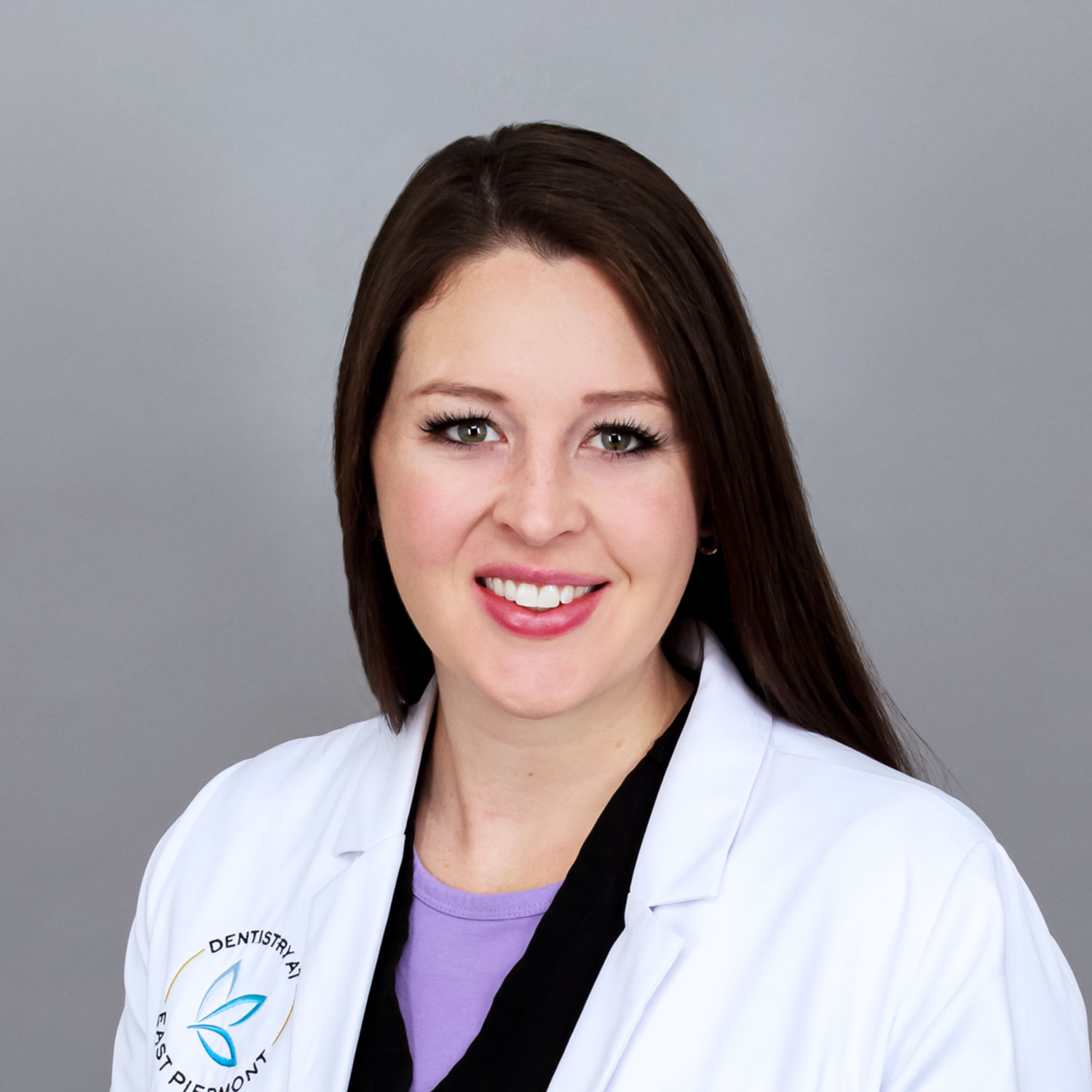
Dr. Danielle Bauman
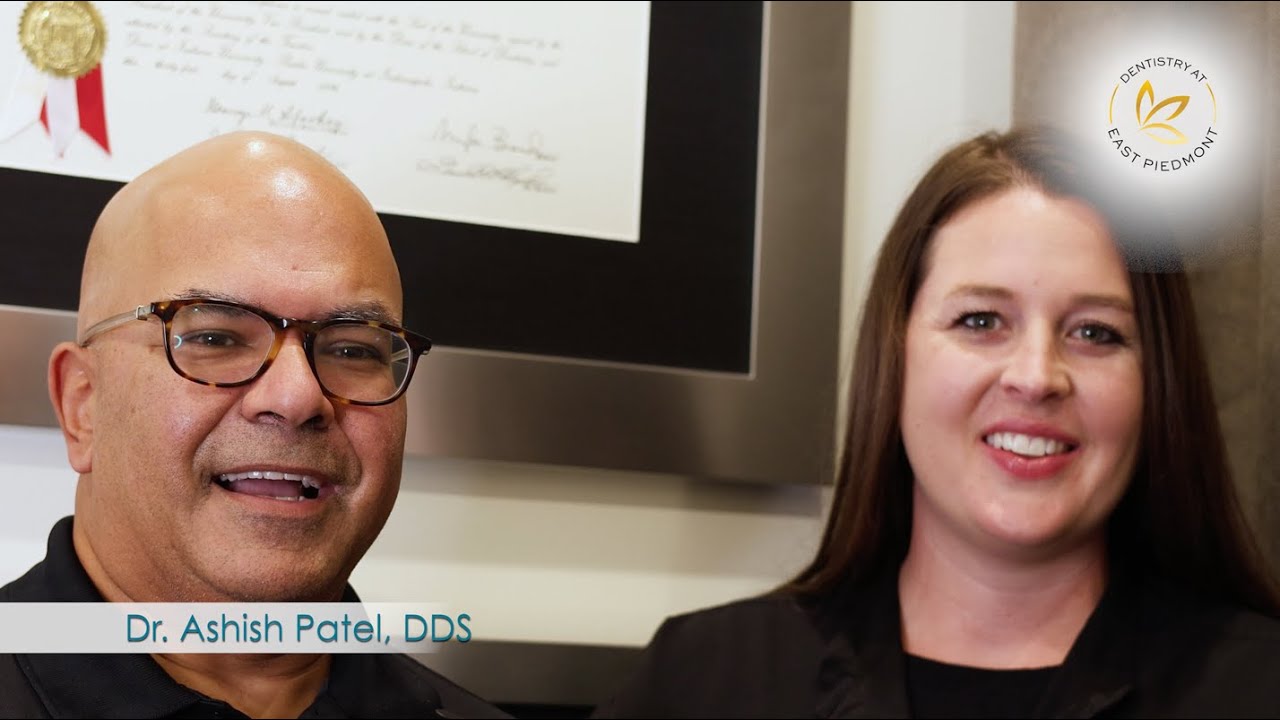
Dr. Bauman leads the surgical side of our Teeth in a Day cases with 3D planning, sedation coordination, and a steady, shame-free approach from consultation through recovery.
FOUNDED 2001 · 3 DOCTORS · SINGLE-DAY TRANSFORMATIONS
Full-arch implant surgery is a lot to take in. It is a clinical decision, a financial decision, and an emotional decision all at once. Dr. Bauman leads the surgical side of these complex cases. That includes extractions, implant placement, sedation planning, and the fixed healing prosthesis you wear while your implants heal.
At Dentistry at East Piedmont, the surgical and restorative pieces are planned together from the beginning. 3D CT imaging, digital scans, anesthesia coordination, prosthetic design, healing follow-up, and maintenance all connect before surgery day. That coordination matters because the temporary healing prosthesis, final prosthesis, bite, smile design, and maintenance plan all have to support one another.
Many patients arrive carrying anxiety, embarrassment, grief over losing teeth, or worry about whether they waited too long. We do not treat that as a side note. The team walks you through what happens on surgery day, what you can eat while healing, how the temporary prosthesis is protected, and when your final prosthesis is made.
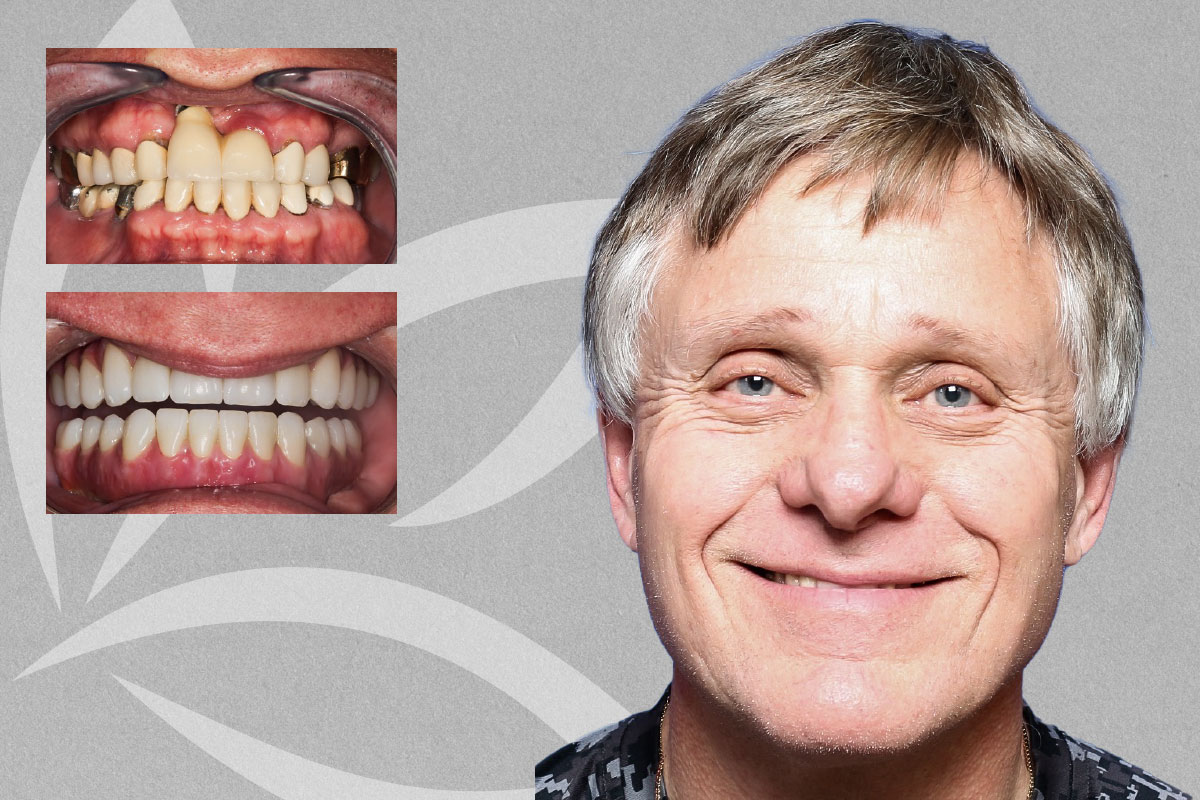
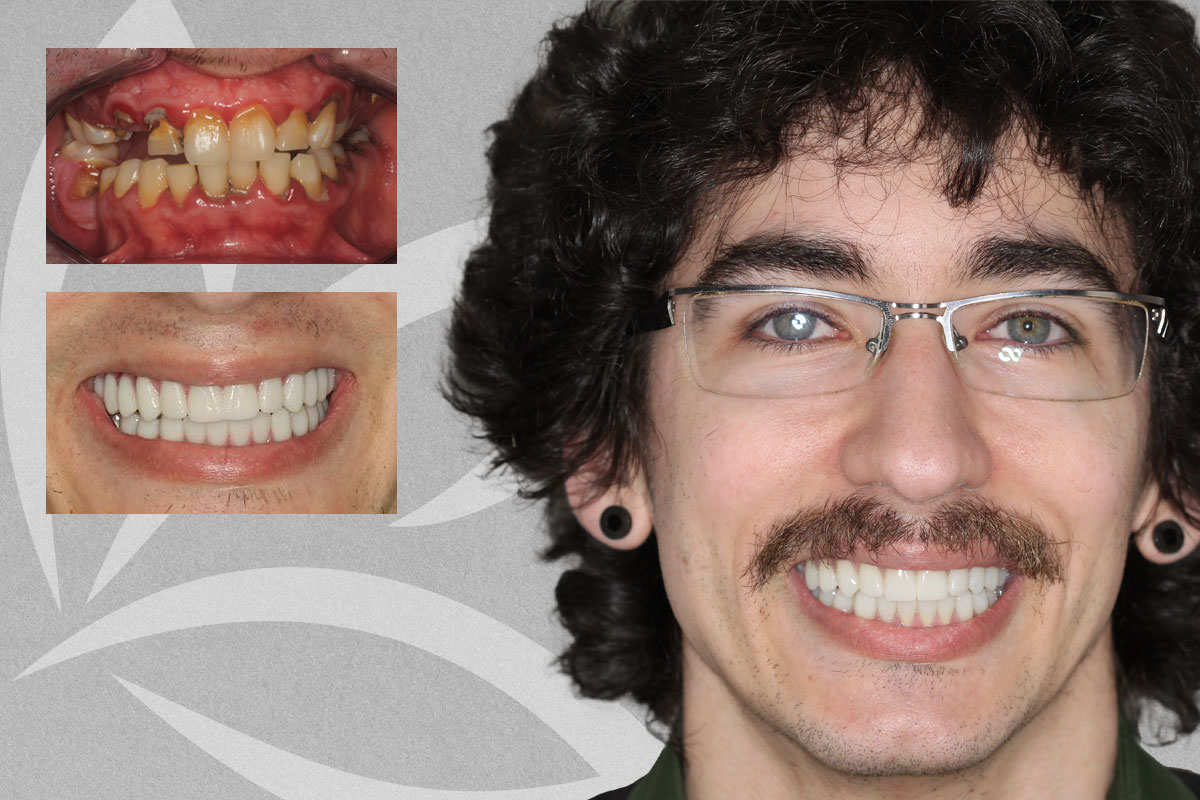
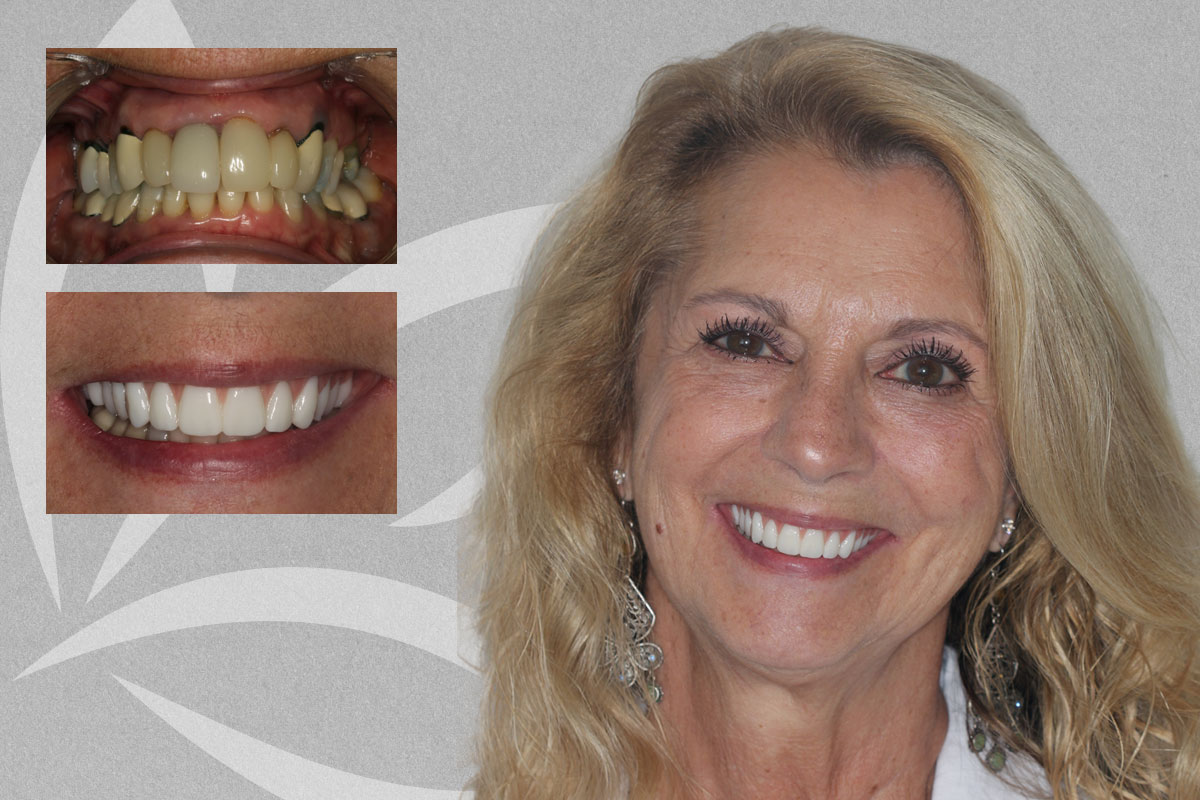
Every smile you'll see on this page belongs to a real patient who said yes to sharing their transformation. No stock photos. Every face is someone who walked through our doors and trusted us with their smile.
The Experience Around Your Surgery
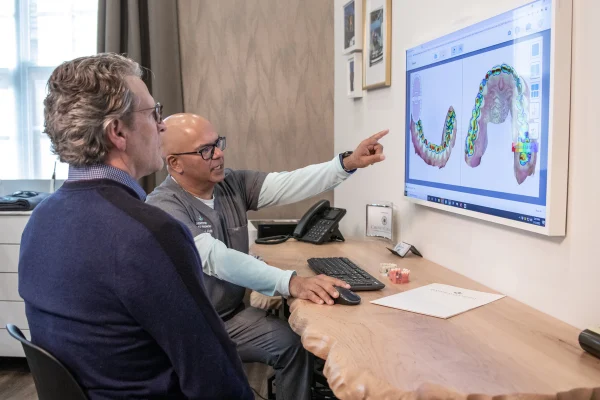
3D CT Planning Before Surgery
CT imaging maps bone, nerves, and implant position before treatment day, so the plan is built before you are in the surgical chair.
Anesthesia and Surgical Coordination
For most Teeth in a Day cases, we recommend full anesthesia administered and monitored by a board-certified anesthesiologist.
Fixed Same-Day Teeth for Healing
In most cases, you leave surgery day with a fixed healing prosthesis secured to your implants, so the healing phase begins with a smile in place.
Healing and Final Restoration
After the implants heal and integrate with your jaw, we verify the fit, check the bite, refine the smile, and complete the final teeth.
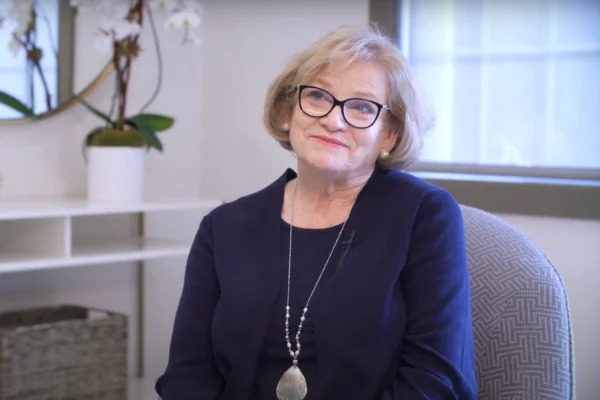
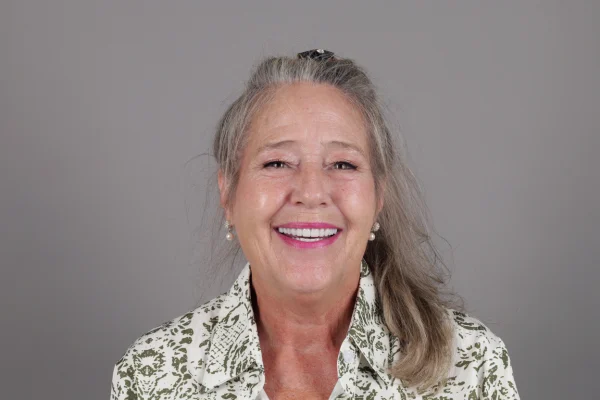
Real Patients. Real Smile Stories.
When you are deciding whether full-arch implants are right for you, real patient stories can make the path feel less abstract. These transformations belong to people who trusted Dentistry at East Piedmont with a major decision and chose to share their results.
Why Patients Choose Teeth in a Day
Walk Out With a Smile
You leave surgery day with a fixed healing prosthesis while your implants integrate. It is not your final prosthesis, but it lets you begin healing with a smile in place.
Eat What You Love Again
The healing phase starts with softer foods, but the long-term goal is real function again. After integration and final restoration, full-arch implants can restore chewing strength, comfort, and confidence in daily life.
No Slipping, No Adhesive
Full-arch implant teeth are anchored to dental implants. They are not removable dentures, so you do not manage adhesive or worry about slipping when you speak, smile, and eat.
Support When It's Hard
It is normal to feel relief, grief, doubt, and hope in the same process. We help you understand the clinical steps and the recovery expectations before and after surgery.
What Happens, Step by Step
Consultation and 3D Planning
We start with a comprehensive evaluation and CT imaging to understand your bone support, nerve location, health history, smile goals, and sedation needs. That gives Dr. Bauman and the team the information they need to plan the surgery, prosthesis, and recovery path before treatment day.
Surgical Day With Anesthesia Support
On surgery day, failing teeth are removed and implants are placed under the sedation plan chosen for your case. For many Teeth in a Day cases, that means full anesthesia administered and monitored by a board-certified anesthesiologist, so a long surgery can feel calmer and more controlled.
Fixed Healing Prosthesis
In most cases, before you leave, a fixed temporary prosthesis is secured to the implants. It is designed for the healing phase, so you leave with a smile, a protected bite, and a careful soft-food plan.
Healing Checks
As your implants heal, we check comfort, bite, swelling, hygiene, and how your temporary prosthesis is holding up. We also talk through what is normal, what needs attention, and how to protect the prosthesis while your jaw integrates with the implants.
Prototype Smile Review
The healing prosthesis also gives us a working preview of your final smile. Before the final prosthesis is made, we talk with you about the shape, color, size, and overall look, then use that feedback to guide the final design.
Final Prosthesis
Once healing is ready, we verify implant position, bite, smile shape, and aesthetics before making the final prosthesis. It is not rushed on surgery day. It is designed after your mouth has had time to heal and after your feedback has been heard.
Maintenance
Long-term success depends on the rhythm after treatment. We plan hygiene visits, bite checks, and home-care guidance so your fixed teeth are cleaned, monitored, and protected for the life you want to keep living.
Is Teeth in a Day the Right Path?
Teeth in a Day is powerful dentistry, but it is not a casual decision. We look carefully at your health, bone support, goals, anxiety level, and long-term maintenance needs before recommending a plan.
- You have multiple failing or missing teeth in one or both arches
- Your dentures slip, hurt, feel unstable, or limit how you live
- You want a fixed option instead of another removable or short-term solution
- You are ready for a surgical process with healing, follow-up, and maintenance
- Your health history supports the treatment and the safest sedation plan
Not being ready for Teeth in a Day is not a failure. Significant bone loss, uncontrolled diabetes, certain medications, smoking, or other health factors can change the safest plan or require a staged approach. During your consultation, we evaluate your candidacy honestly and walk you through alternatives if full-arch implants are not the right first step. The 3D scan gives us the full picture before any decision is made.
Is Teeth in a Day right for you?
A Significant Treatment With a Clear Plan
Teeth in a Day is a major decision, and you should never feel rushed into it. The consultation is where we slow the decision down, study the clinical picture, talk through sedation, review the healing process, and explain what the investment includes before you commit.
Dental insurance can be part of the conversation, but it should not be treated as the primary way a full-arch case is funded. Many dental plans cap annual maximums around $1,000, while Teeth in a Day is a much larger investment. If your plan has out-of-network benefits, it may contribute to specific portions of implant or extraction treatment.
For the portion beyond insurance, we partner with reputable third-party lenders for financing. Many patients use monthly payment plans for larger restorative treatment.
The most reliable way to know whether Teeth in a Day is the right path is the consultation. We take the scan, talk through the surgical plan, discuss the emotional and practical parts of recovery, and give you the full plan before decisions are made.
Frequently Asked Questions
Can I drive myself to my Teeth in a Day surgery?
No. Because Teeth in a Day is a longer surgical appointment with a deeper sedation plan, you need a responsible adult to bring you to the appointment, drive you home, and stay with you afterward. We confirm your ride before surgery. You should not drive for at least 24 hours after anesthesia, and you should not drive while taking prescription pain medication. For this level of surgery, we recommend having someone stay with you at home for a minimum of 48 hours after surgery.
When can I eat normally again?
You start with liquids and very soft foods, then follow a soft-food plan while your implants heal and integrate with the bone. That usually means foods you can cut with a fork, such as eggs, soft fish, pasta, mashed potatoes, yogurt, smoothies, soups, and well-cooked vegetables. After healing and final restoration, the goal is to help you return to a much more normal way of eating than removable dentures allow. We tell you exactly when it is safe to add firmer foods back in.
Is the Teeth in a Day procedure painful?
The surgery itself is planned with sedation or anesthesia, so your comfort is managed during the appointment. For many Teeth in a Day cases, we recommend full anesthesia administered and monitored by a board-certified anesthesiologist because the surgery can take several hours. After surgery, soreness, swelling, and bruising are normal. We give you clear instructions for medication, ice, rest, cleaning, and soft foods, and we follow your healing closely. If something feels wrong or your pain increases instead of improving, we want you to call.
Is Teeth in a Day really permanent?
The dental implants are designed to become a long-term part of your jaw structure as they integrate with the bone. The teeth attached to them are fixed in place, not removable like traditional dentures, so you do not take them out at night. The same-day teeth you leave with are temporary fixed teeth for the healing phase. After your implants heal, Dentistry at East Piedmont verifies the fit, checks the bite, reviews the smile design with you, and completes your final prosthesis. Long-term success depends on routine hygiene, maintenance visits, and protecting the prosthesis as directed.
What are my sedation options for Teeth in a Day?
Teeth in a Day is a longer, more involved surgical appointment, often lasting several hours. For that reason, we recommend full anesthesia administered and monitored by a board-certified anesthesiologist, so you can sleep comfortably while your extractions, implant placement, and same-day fixed teeth are completed. Depending on your health history, treatment plan, and comfort level, alternatives can include IV sedation, nitrous oxide, or oral sedation. During your consultation, Dr. Bauman and the team will review the safest and most appropriate sedation option for your case.
Can I smoke or vape after Teeth in a Day?
It is not recommended. Smoking, vaping, and other nicotine products greatly increase your risk of implant failure and void your warranty. If you smoke or vape, tell us during your consultation. We will talk honestly about the risk, what needs to change before surgery, and how to protect your implants while you heal.
What does the full Teeth in a Day timeline look like?
The "day" in Teeth in a Day refers to the surgical day itself. You arrive with failing or missing teeth and leave with a fixed set of same-day teeth secured to your implants. The full process is longer because your implants need time to heal and integrate with your jawbone. The sequence usually includes a consultation and 3D scan, a separate surgical appointment, follow-up visits during healing, a prototype smile review, verification steps, delivery of your final prosthesis, and long-term maintenance. We explain the full timeline before treatment begins so you know what happens on surgery day and what happens after.
How is Teeth in a Day different from regular dentures?
Conventional dentures sit on top of your gums and rely on suction and adhesive to stay in place. They can move while you eat or speak, they need to come out for cleaning, and they do not give the jawbone the same stimulation as natural tooth roots. Teeth in a Day is different because the teeth are fixed to dental implants that integrate with your jawbone. They are not removable dentures. The treatment is a larger investment and a surgical plan, but the stability, function, and long-term maintenance are fundamentally different.
Is Teeth in a Day covered by a warranty?
Dentistry at East Piedmont provides a limited warranty for Teeth in a Day prosthetics. The temporary hybrid appliance is covered for repair or replacement for up to 6 months. Fabrication of the final hybrid prosthesis usually begins 4 to 6 months after surgery unless your doctor advises a different timeline. The final hybrid prosthesis has a limited warranty as well. Repairs or replacements are covered for up to 2 years, years 3 to 5 are handled at lab cost, and after 5 years replacement coverage is 80% of the restoration fee. The warranty depends on your follow-through. You need to maintain good oral hygiene, care for the prosthesis, keep routine exam appointments at Dentistry at East Piedmont, use recommended protective appliances, and notify us immediately if something feels wrong. Nicotine use voids the warranty. The warranty does not cover accidents, trauma, neglect, poor hygiene, lost appliances, or failure of bone or tissue structures related to other medical treatments or illnesses.