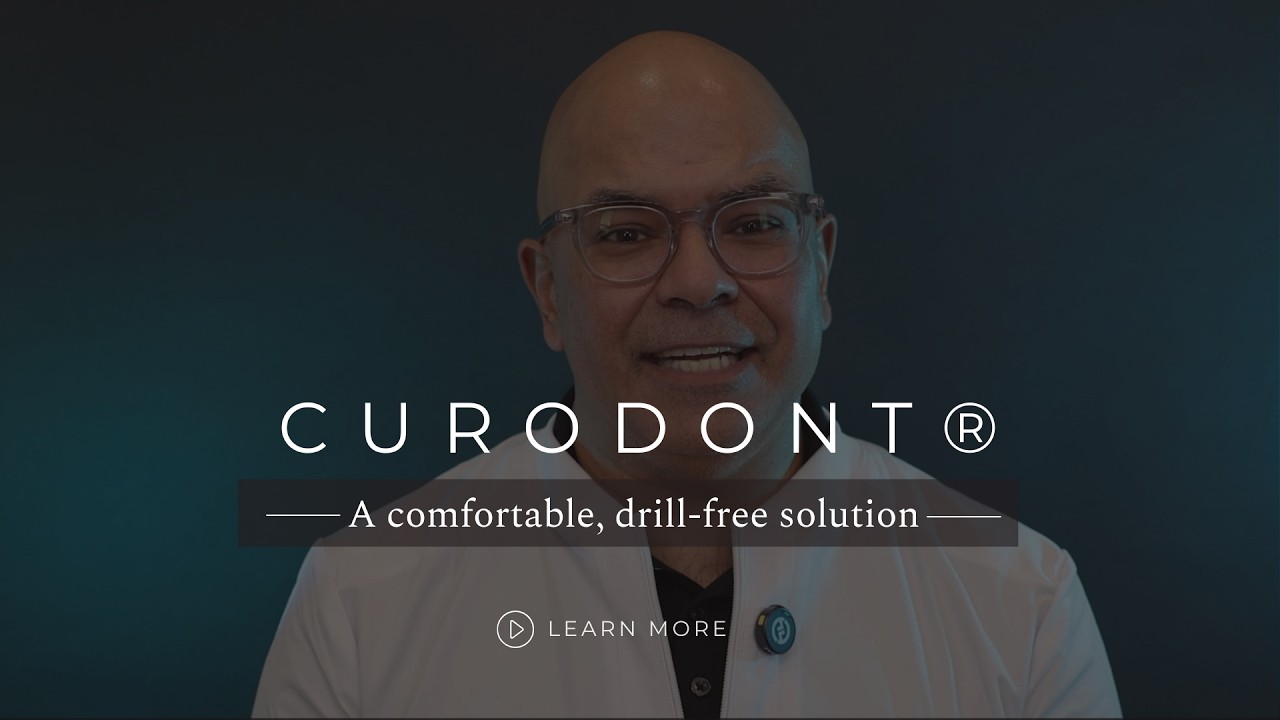

Repair a Cavity Without the Drill
Curodont™ Peptide Therapy
SMILE BRILLIANTLY, Live Beautifully.
A New Option for Very Early Decay
Curodont gives us a way to treat decay before it becomes a true cavity. If the enamel surface is still intact, the right early lesion may be repaired without drilling, numbing, or placing a traditional filling.
Curodont™ uses P11-4 peptide technology. The peptide diffuses into early-stage decay beneath the enamel surface, forms a scaffold, and attracts calcium and phosphate from your saliva so the weakened area can remineralize from the inside out.
Your natural enamel is preserved instead of being cut away and replaced with composite.
Curodont is not a replacement for fillings once decay has broken through enamel. It is a precise option for a specific window of early decay, which is why careful diagnosis matters.
The Experience Around Curodont Repair
Early-Decay Screening
We look for white-spot lesions and x-ray findings that show decay is still early enough for repair without drilling.
No Numbing or Drilling
The tooth is cleaned and prepared so the peptide solution can reach the lesion. No anesthesia is needed for the application.
Peptide Repair Technology
Curodont uses P11-4 peptide technology to support remineralization from inside the early lesion.
Follow-Up Monitoring
We recheck the area at your next routine visit to confirm the lesion is stabilizing or remineralizing.
Why Choose Dentistry at East Piedmont for Your Curodont™ Repair
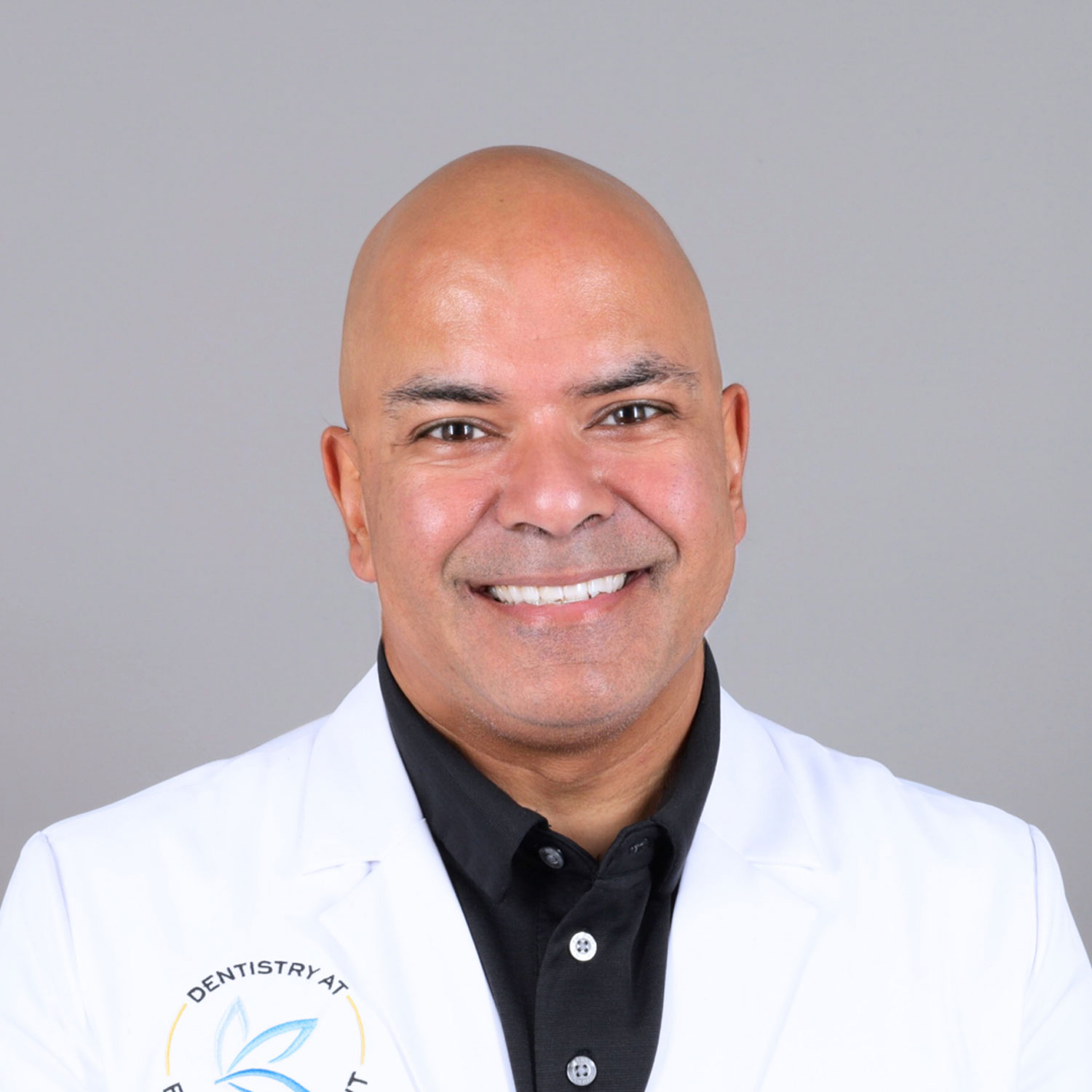
Dr. Ashish Patel
Curodont is a precise tool for a specific window of early decay. Used correctly, it can prevent the cavity from ever needing a traditional filling.
FOUNDED 2001 · 3 DOCTORS · REAL PATIENT SMILES ONLY
Curodont requires diagnosing decay before it becomes a cavity in the traditional sense.
Dr. Ashish Patel and our hygienists are trained to identify the early-stage lesions where Curodont makes sense, including white-spot lesions visible on the tooth surface or early interproximal findings caught by x-ray.
We don't push Curodont on patients whose decay has already progressed beyond what the therapy can address. The treatment is a precise tool for a specific window, and we're honest about whether your case fits.
The application is straightforward, often 5 to 10 minutes, and happens during a routine appointment. We follow up at your next cleaning to verify the lesion has remineralized.
Why Patients Choose Curodont™ Repair
No Drill, No Filling
Curodont supports enamel repair from the inside out using peptide chemistry. No drilling, no composite, and no anesthesia are required for the application.

Catches Decay Early
Used in the right early window, Curodont can help stop a lesion from progressing into a cavity that requires a filling.
Quick Application
Treatment often takes only a few minutes during a routine visit. You do not need numbing, drilling, or a separate recovery period.
Preserves Tooth Structure
A filling requires removing weakened tooth structure to make room for composite. Curodont preserves the enamel surface when the lesion is still early enough to repair.
What to Expect, Step by Step
Early Decay Diagnosis
During a routine cleaning, we look for white-spot lesions or x-ray indicators of early decay that hasn't yet broken through enamel. If we find the right kind of lesion, we discuss Curodont as an option.
Site Preparation
The lesion site is cleaned and prepared so the peptide solution can make full contact with the affected enamel. No drilling or anesthesia required.
Curodont Application
The peptide solution is applied to the lesion and given time to penetrate the enamel surface. The peptides form a scaffold that attracts minerals from your saliva and supports remineralization.
Remineralization and Follow-Up
Over the following weeks, your enamel naturally remineralizes through the peptide scaffold. We verify the result at your next routine visit.
Could Curodont Work for Your Case?
Curodont is appropriate for a specific window of decay. Early enough to repair, not advanced enough for a filling. The right candidates look like this.
- You have early-stage decay that hasn't yet broken through enamel
- The decay was caught at a routine cleaning rather than a filling appointment
- You'd prefer a non-invasive option over a traditional filling
- You want to preserve your natural tooth structure
If decay has already broken through the enamel surface (an actual cavity rather than incipient decay), Curodont isn't the right tool. You need a traditional filling or, for larger decay, a crown.
We're honest about which option fits your case.
Investment in Drill-Free Repair
Curodont is valuable because it may help avoid a bigger treatment later. Strengthening early decay before it becomes a cavity is less involved than drilling and filling, and it helps keep more of your natural enamel intact for the long run.
Curodont is not covered by many insurance plans because the treatment is still relatively new. We are upfront about that before treatment and file as a courtesy when a plan allows it.
If your specific case calls for a broader treatment plan, financing options are available so the investment fits into manageable monthly payments.
Whether you're a candidate is determined during your routine evaluation. We screen for the early-decay window where Curodont actually works.
Frequently Asked Questions
How is Curodont different from a regular filling?
A traditional filling treats a cavity by drilling out the decayed structure and replacing it with composite material.
Curodont treats pre-cavity decay (early demineralization that hasn't yet broken through the enamel) by using peptide chemistry to trigger your tooth to rebuild itself. No drilling, no composite, no anesthesia.
Curodont only works on this very early stage; once decay has actually broken through the enamel, a filling becomes necessary.
Curodont Research Resources
Curodont has been registered and available in the United States since January 2019. It received its CE label market approval for the European Union and Switzerland on January 31, 2012, giving dentists in those regions a way to use P11-4 peptide technology for early-stage decay.
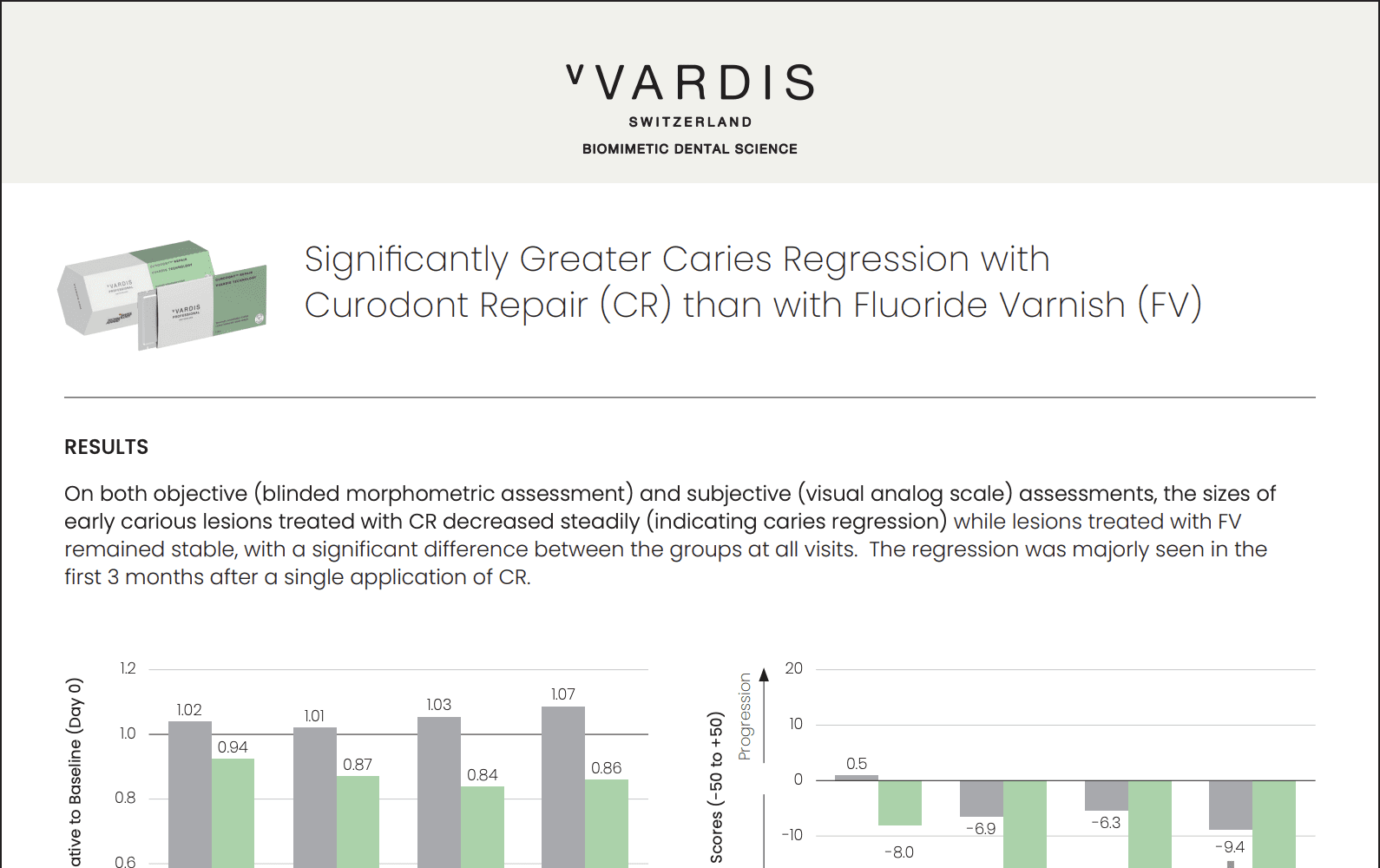
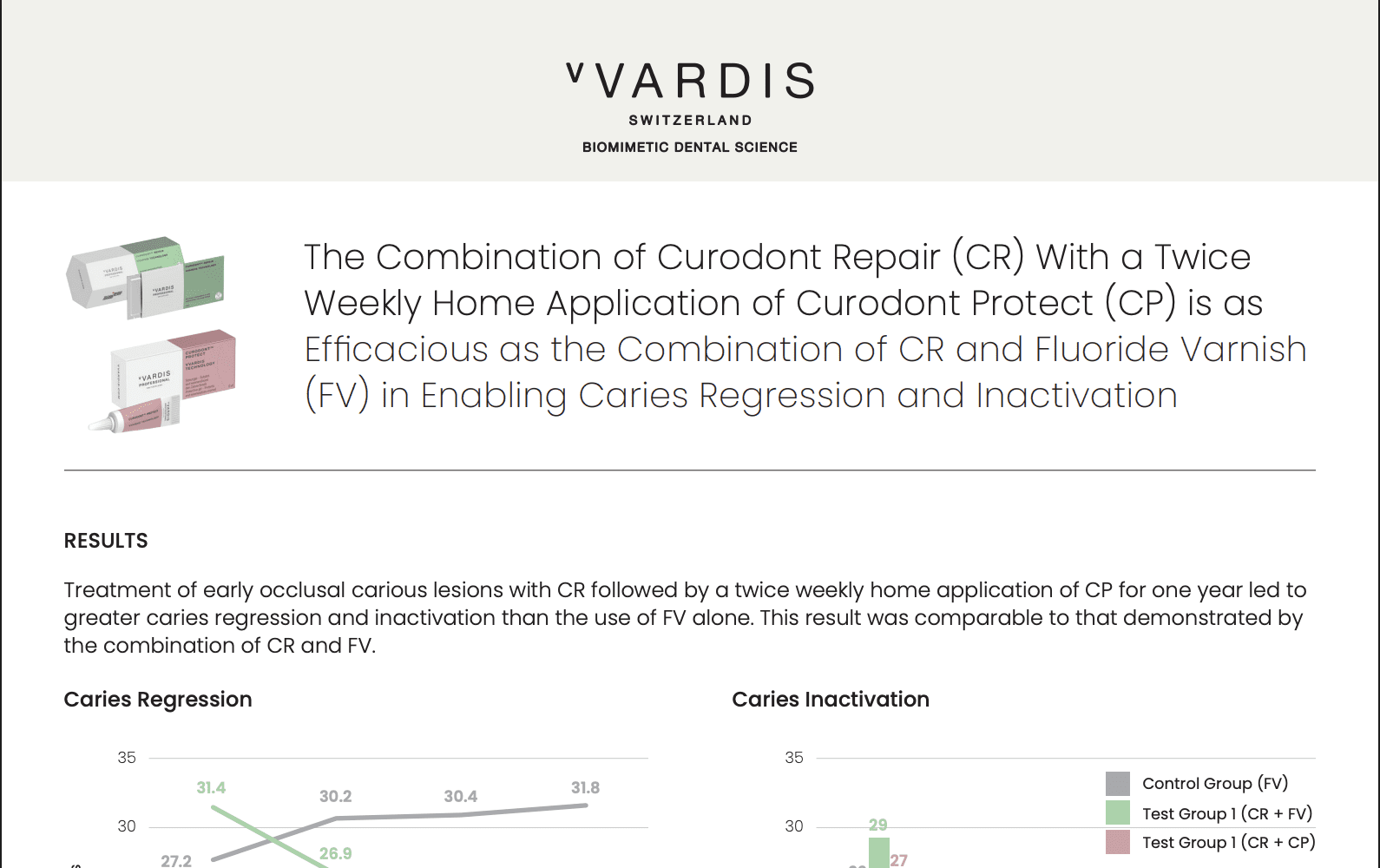
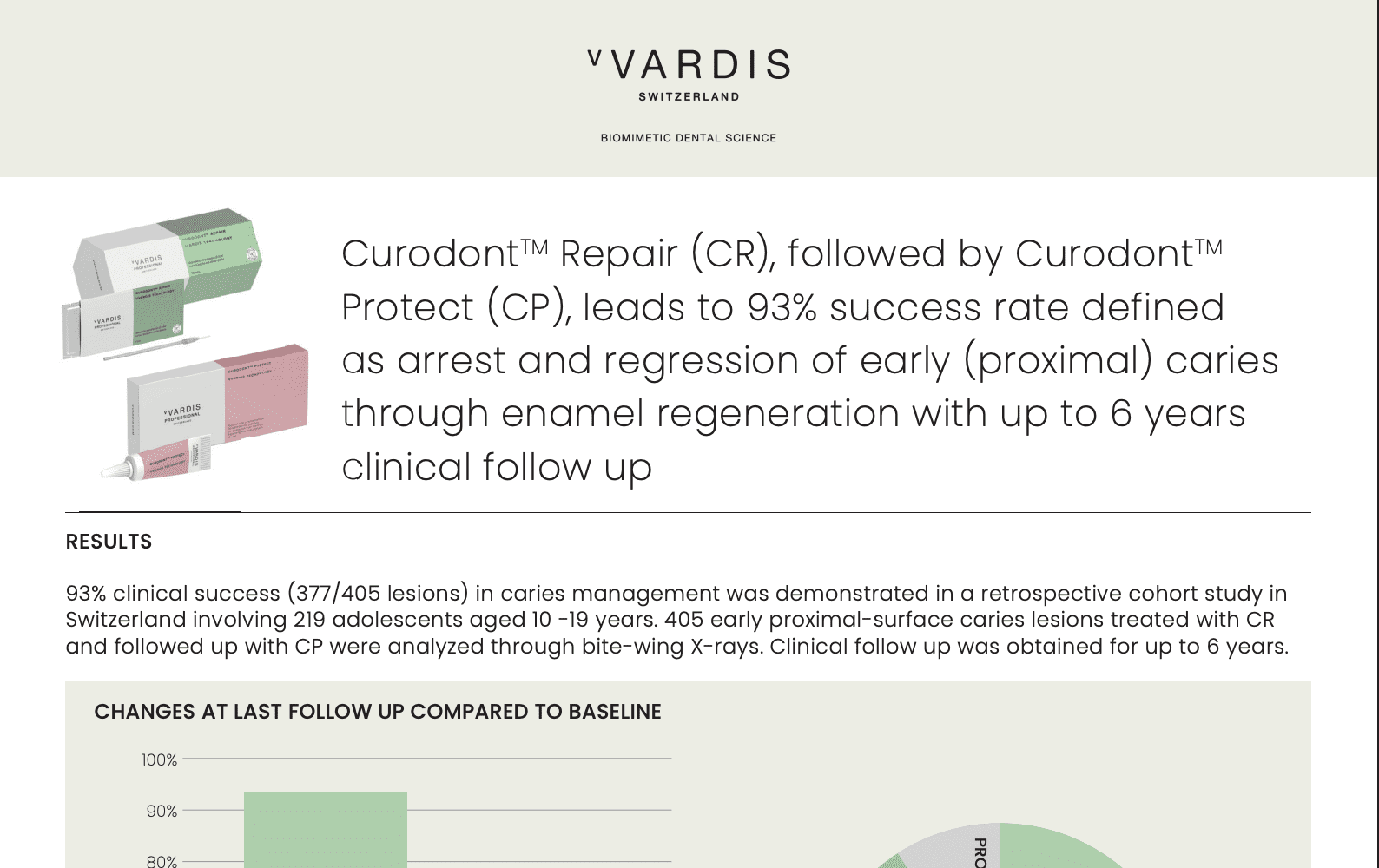
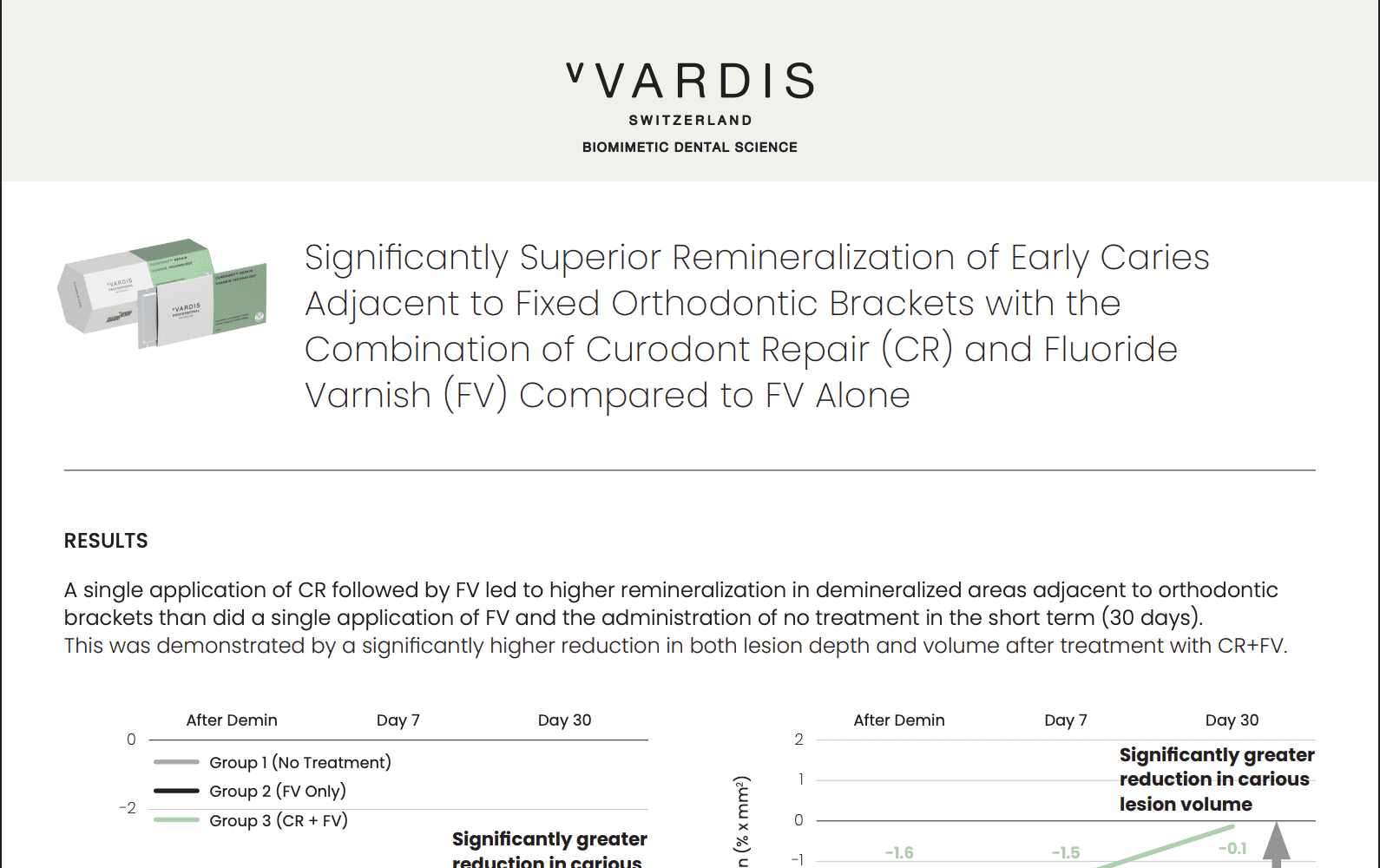
Multiple clinical studies have demonstrated the effectiveness of Curodont technology in treating early tooth decay.
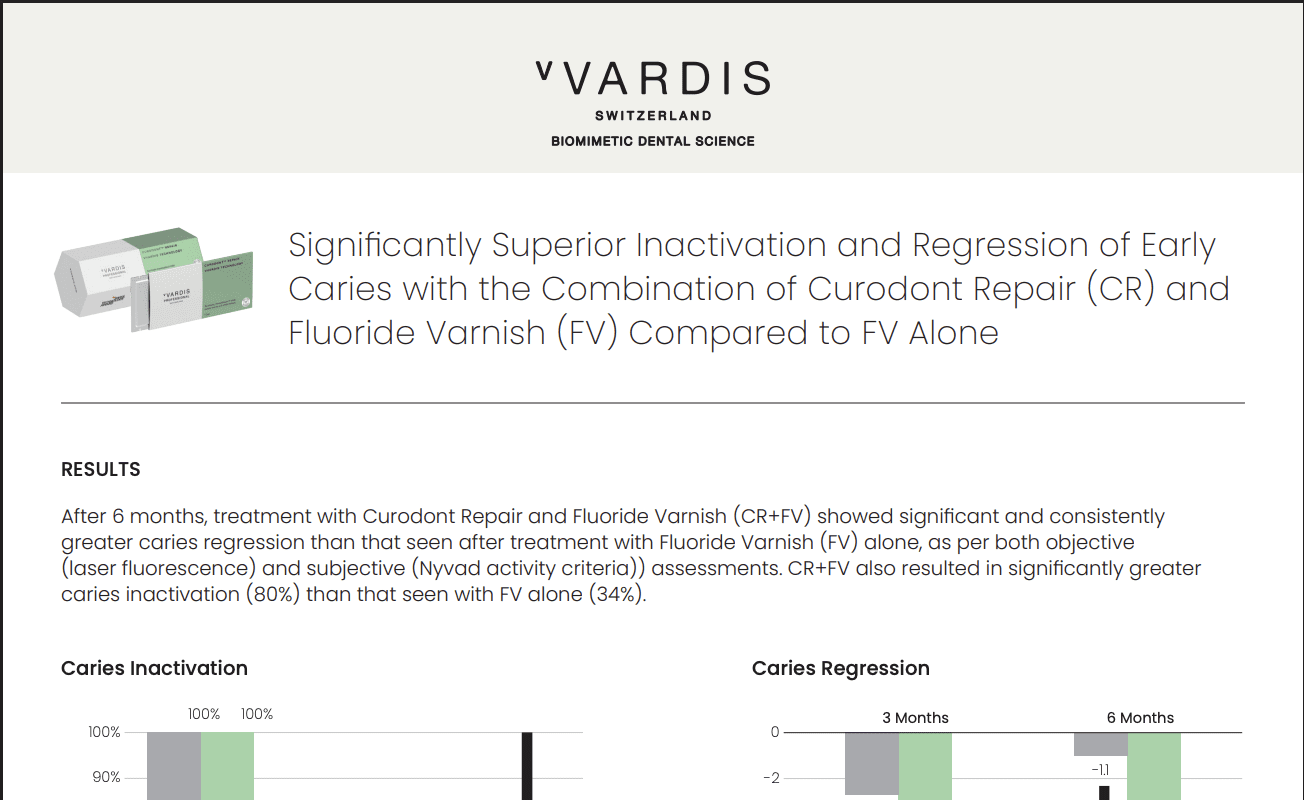
- Up to 80% of early caries lesions became inactive when treated with Curodont, compared with about 34% with fluoride varnish alone.
- Clinical studies have reported greater regression of early enamel lesions compared with conventional treatments.
- Long-term follow-up studies show over 90% success in arresting or reversing early decay when used appropriately.