
A Dental Cleaning You'll Actually Look Forward To
Guided Biofilm Therapy, also known as GBT
SMILE BRILLIANTLY, Live Beautifully.
Modern Cleanings, Without the Scraping
If you dread the scraping part of a dental cleaning, Guided Biofilm Therapy can change the whole experience.
GBT uses a disclosing agent to show where bacterial biofilm is hiding, then warm-water airflow and fine powder to remove biofilm, plaque, and stain more gently.
It is not just about comfort. Biofilm is the bacterial layer that drives gum inflammation and decay.
Making it visible helps your hygienist clean more precisely and helps you see the spots your home routine is missing.
For routine maintenance, GBT can reduce the scraping and sensitivity many patients associate with cleanings. When heavier tartar is present, we combine GBT with traditional scaling so the cleaning is both gentle and complete.



The Experience Around Guided Biofilm Therapy
Biofilm Made Visible
A disclosing agent shows where biofilm is hiding, so the cleaning is guided by what we can actually see.
Warm-Water Airflow
Airflow therapy uses warm water and fine powder to lift biofilm and stain with less scraping and less sensitivity.
Implant and Veneer Friendly
GBT is especially useful around implants, veneers, crowns, and sensitive areas that need careful maintenance.
Home-Care Coaching
Because biofilm is visible during the visit, we can show you the exact areas where a small habit change will help.
Why Choose Dentistry at East Piedmont for Your Guided Biofilm Therapy

Dr. Ashish Patel
Guided Biofilm Therapy makes routine cleanings significantly more comfortable and effective. Most patients who try it never want to go back to traditional scaling for routine visits.
FOUNDED 2001 · 3 DOCTORS · REAL PATIENT SMILES ONLY
Guided Biofilm Therapy is a newer hygiene protocol that requires specific training and equipment. Dr. Ashish Patel and our hygiene team use GBT as our standard approach where appropriate, replacing or augmenting traditional scaling for most patients.
The protocol is a structured sequence. A disclosing agent makes biofilm visible.
Airflow therapy lifts biofilm and stain. Targeted scaling removes tartar where it is needed.
A final polish leaves the surface smooth.
For patients with implants, veneers, crowns, sensitivity, or gum concerns, that precision matters. The visit feels softer, but the clinical goal is still thorough preventive care.
Why Patients Choose Guided Biofilm Therapy
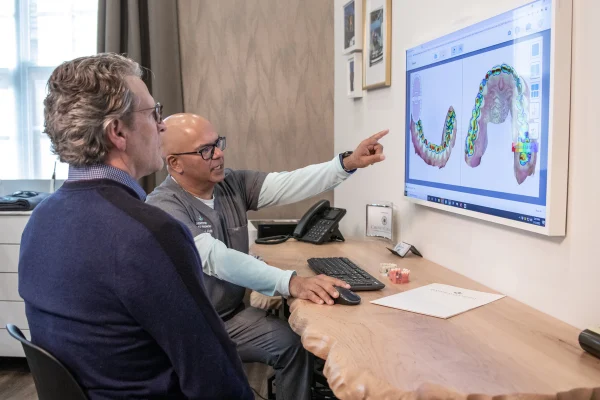
Gentle on Your Gums
Warm-water airflow lifts biofilm and stains with less scraping, which can make the visit easier for patients with sensitive teeth or tender gums.

More Effective Cleaning
The fine powder spray reaches small spaces around teeth, gums, crowns, veneers, and implants. Tartar is still removed with scaling where needed.

Disclosing Visualizes Biofilm
A disclosing agent makes biofilm visible to both you and our team. It turns the cleaning into a more precise visit and makes home-care coaching easier to understand.
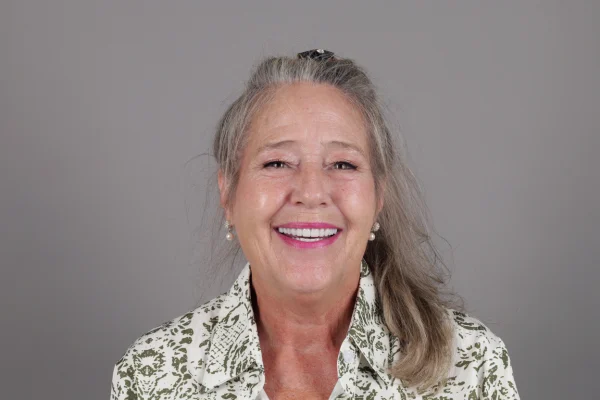
Faster, Gentler, Cleaner
For many routine hygiene visits, GBT feels gentler and leaves the teeth feeling exceptionally smooth without the same scraping-heavy experience.
What to Expect, Step by Step
Diagnosis and Disclosing
A safe disclosing agent is applied to your teeth, tinting areas where biofilm has accumulated. You and your hygienist can see exactly where attention is needed.
Patient Motivation
Seeing the disclosed biofilm is educational. We show you the areas where home care can sharpen up and the spots where current habits are working well.
Airflow Therapy
Fine powder and warm-water airflow lift biofilm, plaque, and stain from the teeth and gum line. The sensation is more like a soft spray than a scraping-heavy cleaning.
Final Polish and Fluoride
A final polish smooths the tooth surface so bacteria have a harder time re-attaching. Professional fluoride application is added when appropriate to strengthen enamel against future decay.
Could GBT Be a Better Cleaning Experience for You?
GBT is a strong fit for:
- You find traditional cleanings uncomfortable or sensitive
- You have stains from coffee, tea, wine, or smoking
- You have crowns, veneers, or implants that benefit from gentler care
- You want a more effective routine cleaning experience
Patients with significant tartar buildup typically need traditional scaling alongside GBT. Some specific medical conditions can require modifications to the protocol.
We evaluate your case and recommend the right combination of methods.
Investment in Better Cleanings
A consistent, thorough cleaning is one of the most practical preventive steps in dentistry. GBT helps reduce biofilm-driven inflammation, staining, and buildup in a way many patients find easier to tolerate, which makes it easier to stay consistent over time.
Dental insurance may contribute to hygiene visits when your plan has out-of-network preventive benefits. We file as a courtesy and make every effort to estimate your portion, but your carrier makes the final coverage decision.
If you're combining GBT with other treatment, financing can roll the broader plan into manageable monthly payments.
The starting point is your routine hygiene appointment. We'll evaluate your case and recommend whether GBT, traditional scaling, or a combination is right for you.
Frequently Asked Questions
How often should I have GBT cleanings?
Same recommendation as traditional cleanings: every 6 months for most patients, every 3–4 months for patients with periodontal disease history or higher risk factors.
Insurance coverage generally treats GBT the same as standard cleanings, so your benefit schedule doesn't change. We adjust your recall interval based on your specific case.
How is GBT different from a traditional cleaning?
Traditional cleanings rely on metal instruments to scrape plaque and tartar from your teeth. Effective but often uncomfortable.
GBT uses warm-water airflow with a fine powder spray to lift the same buildup more gently and reach places metal instruments can't.
Most patients find GBT dramatically more comfortable, and the result is often a cleaner feeling than they've experienced from routine cleanings before.