
Dentures, Modernized
Partial, Full, and Implant-Supported Options
SMILE BRILLIANTLY, Live Beautifully.
Your Smile, Reimagined with Partial, Full, & Implant Dentures
Eating, speaking, and smiling without thinking about it are the things people miss most after tooth loss.
Modern dentures are designed to restore all three, and the gap between a traditional removable denture and an implant-supported one is bigger than most patients realize.
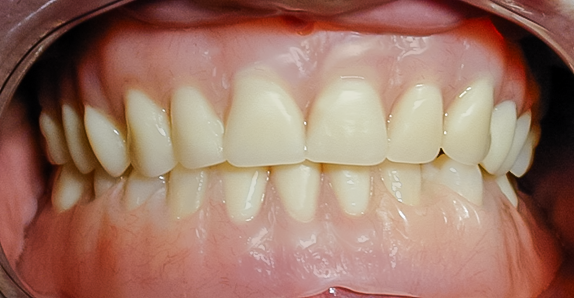
Modern dentures are more precise and more natural-looking than the dentures many patients remember from a generation ago. The options have expanded too.
In addition to traditional removable dentures, we offer implant-supported dentures, where a few implants help anchor the denture, and fixed implant solutions like Teeth in a Day.
At Dentistry at East Piedmont, we help you choose the path that fits your situation, your goals, and your investment comfort. For some patients, that means a traditional denture done well.
For others, it means adding implant support for more stability and confidence.
The Experience Around Your Denture Plan
Option Comparison
We compare partial dentures, full dentures, implant-supported dentures, and fixed implant teeth so you understand the trade-offs before choosing a path.
Fit and Bite Records
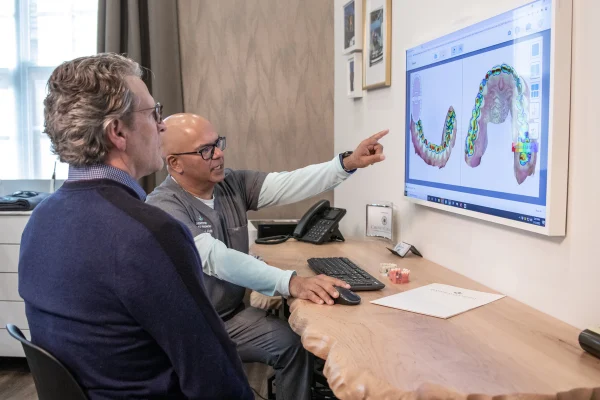
Digital scans, impressions, and bite records help shape a denture that supports your face, speech, and chewing pattern.
Natural Smile Design
Tooth shape, color, midline, lip support, and facial proportions are planned so the finished denture looks like a smile that belongs to you.
Adjustments After Delivery
Follow-up visits are part of the process. We adjust sore spots, bite pressure, and fit as your mouth settles into the new appliance.
Why Choose Dentistry at East Piedmont for Your Partial, Full, & Implant Dentures
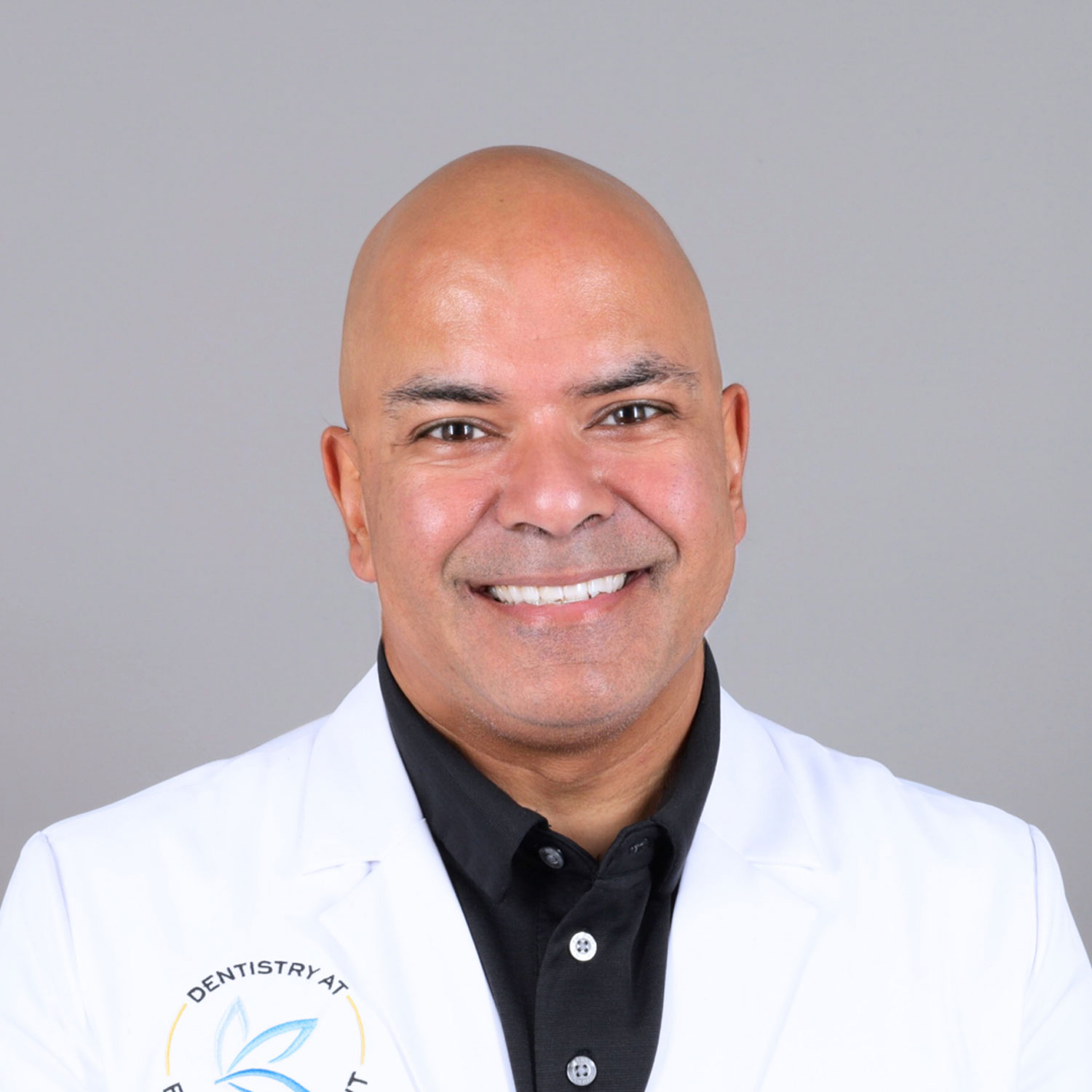
Dr. Ashish Patel
Dr. Patel walks every denture patient through traditional, implant-supported, and fixed implant options so the decision is informed before treatment begins.
FOUNDED 2001 · 3 DOCTORS · REAL PATIENT SMILES ONLY
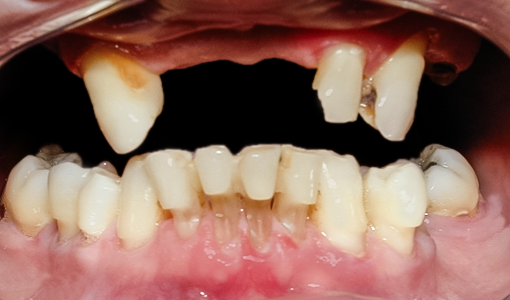
Most patients who come to us for dentures fall into two camps. Some have been wearing dentures for years and are tired of the slipping, the soreness, the adhesives, and the dietary restrictions.
Others are facing the loss of remaining teeth and trying to figure out what comes next. Either way, Dr. Ashish Patel and our team walk you through every option before you commit to one.
Traditional dentures made with modern materials can be a strong fit for the right patient. Implant-supported dentures can meaningfully improve stability for people who have struggled with conventional ones.
Fixed implant solutions can remove the daily removable-denture experience entirely. We will tell you honestly which path fits your case before you invest.
Your treatment happens in our private treatment rooms with the comforts that have made Dentistry at East Piedmont known as Marietta's upscale dental spa, and a team who treats every patient like family.
Why Patients Choose Partial, Full, & Implant Dentures
Three Paths, Honestly Compared
We don't push a specific solution. We walk you through traditional dentures, implant-supported dentures, and fixed implant teeth so you know the real trade-offs on investment, comfort, maintenance, and eating before you commit.
Modern Materials and Aesthetics
Modern denture teeth are made with materials that look more natural than older designs. We shape color, tooth position, lip support, and midline so the smile fits your face instead of looking generic.
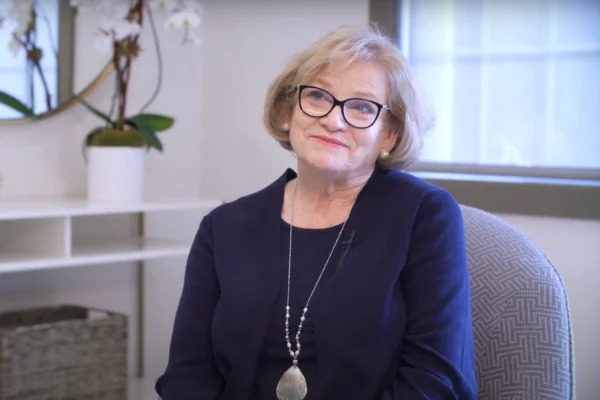
Implant-Supported Options
A few strategic implants can anchor a denture so it feels more stable and relies less on adhesive. For many patients, this is the upgrade that makes dentures feel easier to live with.
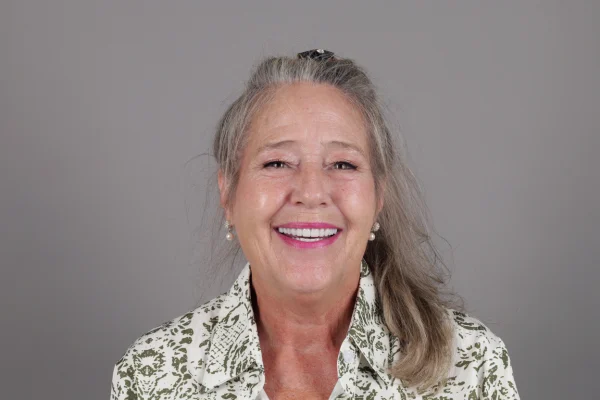
Adjustments Until It's Right
Even a well-made denture takes some fine-tuning as your mouth adjusts. Follow-up visits are built into the process so we can refine sore spots, bite pressure, and fit.
What to Expect, Step by Step
Consultation and Path Selection
We evaluate how many teeth need replacement, your bone structure, your goals, and your investment comfort. Then we walk through traditional, implant-supported, and fixed options so you can choose the path that fits before treatment begins.
Custom Design and Fabrication
Digital scans and bite analysis capture the exact shape of your mouth. Your denture is custom-designed to match your facial proportions and bite, then fabricated by our trusted dental lab to match the specifications.
Fitting and Adjustment
When your denture is ready, we fit it in the office and adjust the contact points so it sits properly without rubbing. Small adjustments at the first appointment are normal and expected.
Follow-Up and Long-Term Care
You return for follow-up visits in the first weeks as the denture settles. Routine cleanings and check-ups maintain the fit and condition.
Traditional dentures need periodic relining as your mouth shape changes over time.
Which Denture Option Fits Your Life?
Dentures are not one-size-fits-all. The right fit depends on how many teeth are missing, your bone support, your comfort goals, and whether implants are part of the plan.
- You're missing several teeth and want a non-surgical replacement option
- Traditional implants aren't an option because of bone loss, health conditions, or budget
- You want a removable solution rather than a fixed one
- You're open to implant-supported dentures as an upgrade if a traditional denture won't deliver
If you're missing only one or two teeth, a denture is overkill. A single implant or bridge is usually the better fit.
If you've been miserable with conventional dentures and could be a candidate for fixed implant teeth (Teeth in a Day), we'll walk you through that option honestly. The consultation is where we figure out which path is right for your mouth and your life.
Investment in Stability and Confidence
Dentures are an investment in restoring everything missing teeth quietly take from you. Eating the foods you love.
Speaking clearly. Not covering your mouth when you laugh.
The three approaches (traditional, implant-supported, fixed implant) sit at different points on a spectrum of stability and bone preservation, and the right one for you is the one that fits your case, your bone, and how you want to live with the result.
Dental insurance may contribute to denture treatment when your plan includes out-of-network prosthetic benefits. Implant-related portions are handled differently by each plan.
We file as a courtesy and make every effort to estimate your portion, but your carrier makes the final coverage decision.
For the portion that goes beyond what insurance covers, we partner with reputable third-party lenders for financing so the investment fits into manageable monthly payments.
The most reliable way to know which denture option fits your case is the consultation itself. We'll examine your mouth, walk you through the three options honestly, and let you decide.
Partial Dentures We Offer
Patients missing some, not all, of their teeth have more options than they usually realize. The right partial depends on which teeth are missing, how much chewing force you put through them, your aesthetic goals, and whether you want something long-term or a placeholder while another plan is finalized. The five options below cover the range we work with at Dentistry at East Piedmont.
Cast Metal Partial Denture
A traditional rigid partial built on a thin, precisely cast metal framework that hooks onto your remaining natural teeth with small clasps. The framework is strong, low-profile, and lets you bite with real force, which is why this style is still the default for long-term partials covering multiple back teeth. The metal is usually hidden behind acrylic gum-colored material and pink-and-white tooth pontics. Most patients adjust to wearing it within a few weeks.
Acrylic Partial Denture
An all-acrylic partial, lighter and less expensive than cast metal, often used as a temporary or transitional appliance. Common cases include replacing a single front tooth while an implant heals, holding space during orthodontics, or providing a more accessible interim solution while a longer-term plan is finalized. It can work well for short-term wear but is not designed to handle heavy chewing across multiple teeth for years.
Flexible Partial Denture (Valplast or Similar)
A metal-free partial made from a flexible nylon-style resin that hugs the natural contours of your gums and remaining teeth. No visible metal clasps, which is the main reason patients choose this style for front-of-mouth aesthetics. The flexibility also makes it more comfortable for some patients with sensitive gums. Best suited to smaller spans of missing teeth where chewing forces are moderate.
Nesbit Partial Denture
A small, unilateral partial that replaces one or two teeth on a single side of the arch. Compact and easy to insert, often used for a single back tooth where a full partial would be overkill. Because of the small size, Nesbits require careful design and a disciplined wearer. We discuss the long-term considerations honestly during the consultation before recommending one.
Essix Retainer with Tooth
A clear, removable retainer (similar in appearance to an Invisalign® tray) with a tooth-colored pontic built into the gap. Mostly used as a short-term or transitional solution, especially for a single missing front tooth while an implant integrates or a permanent restoration is in the works. Nearly invisible, comfortable, and quick to fabricate, but not built to handle daily chewing loads over the long run.
If you’re not sure which style fits your case, the consultation is the place to figure it out. Dr. Patel walks you through the trade-offs on comfort, durability, aesthetics, and investment so the decision is yours, made with the full picture.
Frequently Asked Questions
Can I eat normally with dentures?
With traditional removable dentures, most patients can eat most foods after an adjustment period, but harder foods (steak, apples, corn on the cob, crusty bread) can be challenging because the denture isn't anchored.
Many patients end up avoiding certain foods entirely. With implant-supported dentures, the denture doesn't move during chewing, so most foods stay on the menu.
With fixed implant teeth (Teeth in a Day), there are no restrictions at all. You eat exactly like you would with natural teeth.
Will my dentures need adjustments or replacement?
Yes. The shape of your mouth changes gradually over time, especially after tooth loss.
The jawbone slowly recedes where teeth used to be. Traditional dentures typically need a "reline" (a procedure that reshapes the inside surface of the denture to match your current mouth) every 3–5 years.
Full replacement is typically needed every 5–10 years as wear accumulates. Implant-supported dentures need less frequent adjustment because the implants stabilize the bite.
We build the long-term care schedule into your treatment plan.
Should I get dentures or dental implants?
It depends on how many teeth you're missing, your jawbone health, your budget, and what experience you want day-to-day. Implants (single, multiple, or full-arch like Teeth in a Day) cost more up front but function like permanent teeth.
Eating, speaking, smiling are all unconstrained. Dentures cost less up front but are removable, may slip, and require ongoing maintenance.
Many patients end up at implant-supported dentures, which split the difference. A few implants stabilize a denture so it doesn't move.
We walk you through all three options honestly during your consultation.
Partial Dentures We Offer
Patients missing some, not all, of their teeth have more options than they usually realize. The right partial depends on which teeth are missing, how much chewing force you put through them, your aesthetic goals, and whether you want something long-term or a placeholder while another plan is finalized. The five options below cover the range we work with at Dentistry at East Piedmont.
Cast Metal Partial Denture
A traditional rigid partial built on a thin, precisely cast metal framework that hooks onto your remaining natural teeth with small clasps. The framework is strong, low-profile, and lets you bite with real force, which is why this style is still the default for long-term partials covering multiple back teeth. The metal is usually hidden behind acrylic gum-colored material and pink-and-white tooth pontics. Most patients adjust to wearing it within a few weeks.
Acrylic Partial Denture
An all-acrylic partial, lighter and less expensive than cast metal, often used as a temporary or transitional appliance. Common cases include replacing a single front tooth while an implant heals, holding space during orthodontics, or providing a more accessible interim solution while a longer-term plan is finalized. It can work well for short-term wear but is not designed to handle heavy chewing across multiple teeth for years.
Flexible Partial Denture (Valplast or Similar)
A metal-free partial made from a flexible nylon-style resin that hugs the natural contours of your gums and remaining teeth. No visible metal clasps, which is the main reason patients choose this style for front-of-mouth aesthetics. The flexibility also makes it more comfortable for some patients with sensitive gums. Best suited to smaller spans of missing teeth where chewing forces are moderate.
Nesbit Partial Denture
A small, unilateral partial that replaces one or two teeth on a single side of the arch. Compact and easy to insert, often used for a single back tooth where a full partial would be overkill. Because of the small size, Nesbits require careful design and a disciplined wearer. We discuss the long-term considerations honestly during the consultation before recommending one.
Essix Retainer with Tooth
A clear, removable retainer (similar in appearance to an Invisalign® tray) with a tooth-colored pontic built into the gap. Mostly used as a short-term or transitional solution, especially for a single missing front tooth while an implant integrates or a permanent restoration is in the works. Nearly invisible, comfortable, and quick to fabricate, but not built to handle daily chewing loads over the long run.
If you’re not sure which style fits your case, the consultation is the place to figure it out. Dr. Patel walks you through the trade-offs on comfort, durability, aesthetics, and investment so the decision is yours, made with the full picture.